5 resources executive pastors need for a strong church operations strategy

Discover five practical church operations resources to strengthen planning, church administration, and ministry growth for executive pastors.
Ryan Nelson
Ryan Nelson Updated November 12, 2025 · 14 min read
A person types on a laptop at a wooden desk, surrounded by a smartphone, headphones, notepad, pen, and a coffee cup, conveying a focused work environment.

A strong church operations strategy is central to the wide-ranging responsibilities executive pastors manage every week. You’re overseeing:

  • Staff and church volunteers

  • Church finances and budgets

  • Facilities and Sunday worship logistics

  • HR and administrative tasks

  • Systems for church growth, outreach, and spiritual formation

In other words, executive pastors sit at the intersection of church leadership, church management, and day-to-day ministry. Without a clear operations blueprint, it’s easy for staff, ministry leaders, and congregants to feel unclear about priorities and direction.

The good news: you don’t have to build your operations playbook from scratch. There are proven church management and strategic planning resources that can help you:

  • Clarify your structure and processes

  • Improve your performance management systems

  • Use data and metrics to support meaningful ministry

  • Equip your team for long-term, sustainable growth

Below are five resources every executive pastor should know as you continue developing a strong church operations strategy.

“Smart Church Management” by Patricia S. Lotich
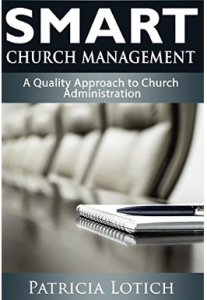
smart church management Format: Ebook, Print

Patricia Lotich is an MBA and Certified Manager of Quality and Organizational Excellence through the American Society for Quality. She has ten years of business administration and church operations strategy experience, and Smart Church Management distills her expertise to help church staff practice effective church management of time, people, and money to achieve their goals

How this book supports your church operations strategy

Smart Church Management helps executive pastors:

  • Connect strategic planning to everyday ministry decisions

  • Manage staff members and volunteers with clarity and accountability

  • Design systems to steward time, people, and money more effectively

  • Develop structures for church budget planning and financial oversight

  • Align operations with your church’s mission and long-term vision

If your church is growing, or you’re trying to move from “just getting by” to a more thriving church culture, this book can serve as a practical operations manual for you and your leadership team.

“Church Online Playbook” by Life.Church
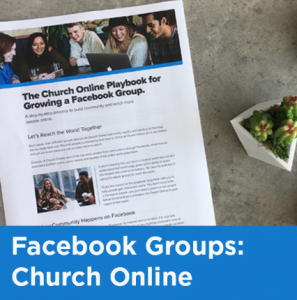
church online Format: Free ebook

Life.Church originally used Facebook Groups to help people all around the world find Christian community. They originally created the Church Online Playbook for the volunteers who ran these groups, but they realized it would be valuable to anyone who wanted to tap into the ministry potential of Facebook Groups.

Inside, you’ll find tips for setting up Facebook Groups, using Facebook Live, creating a content schedule, and monitoring engagement. Get your free copy here.

What you’ll learn from this ebook

Inside the Church Online Playbook, you’ll find:

  • Step-by-step guidance for setting up and managing Facebook Groups

  • Tips for using Facebook Live and other tools to support worship and teaching

  • Ideas for creating a content schedule that aligns with your ministry calendar

  • Practical advice for monitoring engagement and supporting online church community

For many smaller churches, digital ministry is an affordable way to extend your reach beyond the building. This resource helps executive pastors integrate online channels into the overall church operations blueprint, instead of treating them as an afterthought.

“Rewired” by Brandon Cox
rewired Format: Ebook, Print

Brandon Cox is a former pastor at Saddleback Church. In Rewired, he helps churches recognize social media’s potential for creating relationships and leading people to community. He explores the theological reasons why churches should be involved in social media and explains how churches can adapt their ministries to fit the modern world. He also digs into some of the technical aspects of using social media.

For executive pastors, this book provides a framework to align church leadership, church operations, and digital ministry so that social media serves your mission, not just your marketing.

How “Rewired” connects operations and ministry

In Rewired, you’ll explore:

  • The theological reasons churches should engage on social media

  • How to use social channels to build relationships and community

  • Ways to adapt existing ministries to better fit a digital world

  • High-level and technical guidance on using social media tools wisely

As you oversee communications, church apps, and online channels, this resource can help you make clearer decisions about staffing, time allocation, and where social media fits into your overall church operations strategy.

“Performance Management” by Life.Church
performance management Format: Free documents

Life.Church has a suite of free resources to support effective church management of your staff and volunteers. Performance Management contains documents and templates for evaluating your team members, correcting inappropriate staff behavior, giving employees formal warnings, reviewing a team member’s performance, and self-evaluating performance.

What’s included in these performance resources

The Performance Management toolkit includes templates for:

  • Evaluating staff members and ministry leaders

  • Correcting inappropriate behavior with clear documentation

  • Issuing formal warnings when necessary

  • Conducting recurring performance reviews

  • Guiding self-evaluations for staff and key volunteers

These tools help executive pastors:

  • Bring consistency to HR and church management practices

  • Clarify expectations for each role on your team

  • Protect your church legally and ethically

  • Support ongoing spiritual growth and professional development

If your current review process feels informal—or nonexistent—these documents can form the backbone of a more intentional church operations strategy around people.

“5 Crucial Church Metrics You’re Not Measuring”
Format: Free ebook

Numbers only matter because they represent people—and people matter. The right numbers can help us explore how effectively we’re creating disciples and impacting our communities.

In this ebook, we walk you through five important metrics most churches don’t think to measure, helping your church move beyond attendance and into numbers that show how church operations support meaningful ministry. Get your free copy .

Church leadership—like any kind of leadership—requires ongoing learning and growth. We hope these resources help strengthen and support your pastoral team.

How to put these church operations resources into practice

It’s easy to download an ebook or order a book and never fully implement what you learn. As an executive pastor or church administrator, consider this approach:

  1. Choose one priority area

    • People systems (HR, performance reviews)

    • Financial health (church budget, stewardship, giving)

    • Communications and outreach (social media, online ministry)

  2. Pick 1–2 resources to focus on first
    For example, combine Smart Church Management with the Performance Management toolkit to strengthen your staff and volunteer systems.

  3. Create a simple ministry action plan

    • Identify 3–5 concrete changes you’ll make in the next quarter

    • Assign owners from your church staff or key ministry leaders

    • Add tasks to your planning calendar for accountability

  4. Communicate with your leadership team
    Share what you’re learning with your senior pastor, elders, and key leaders so your church operations strategy stays aligned with your church’s mission and vision.

  5. Review and refine regularly
    Use the metrics from 5 Crucial Church Metrics You’re Not Measuring to evaluate how operational changes are impacting real people—your church members and community.

Keep Growing as an Executive Pastor and Church Leader

Church leadership—like any kind of leadership—requires ongoing learning and growth. As your ministry context changes, your church operations blueprint will need to adapt too.

Books, ebooks, and practical templates like these can:

  • Save you hours of trial and error

  • Give you language to clarify roles and expectations

  • Strengthen your church administration and financial systems

  • Free your team to focus more on ministry, worship, and discipleship

Whether you’re leading in a large multi-site church or a smaller congregation, these resources can help you support a healthy, sustainable, and thriving church for years to come.

FAQ

1. What is a church operations strategy?

A church operations strategy is the plan, systems, and processes your church uses to support ministry. It covers things like staffing, volunteer management, church finances, facilities, communications, technology, and ministry planning. A clear strategy helps executive pastors align day-to-day operations with the church’s mission and long-term vision.

2. Why is a church operations strategy important for executive pastors?

Executive pastors are often responsible for turning vision into action. A well-defined church operations strategy helps you:

  • Support your senior pastor and leadership team

  • Build healthy systems for church staff and volunteers

  • Manage budgets and financial stewardship

  • Remove barriers so ministry leaders can focus on people

Without an intentional strategy, staff roles, ministries, and processes can drift, causing confusion and burnout.

3. What are the key components of a strong church operations strategy?

While every church is unique, most strong strategies include:

  • Clear organizational structure and role descriptions

  • Intentional church budget and financial management

  • HR and performance management systems

  • Processes for event planning and weekly services

  • Communication and church online engagement plans

  • Metrics to track church growth and ministry health

Resources like Smart Church Management and 5 Crucial Church Metrics You’re Not Measuring can help you develop or refine each area.

4. How can executive pastors use metrics to strengthen church operations?

Metrics help you see whether your systems are actually supporting ministry. Instead of only tracking church attendance, executive pastors can measure:

  • Engagement in groups, serving, and outreach

  • Next steps (baptisms, membership, giving, volunteering)

  • Retention and follow-up for new guests

  • Participation across ministries and age groups

The ebook 5 Crucial Church Metrics You’re Not Measuring is designed to help you choose numbers that reflect real discipleship and community impact—not just how many people show up.

5. Do smaller churches need a church operations strategy too?

Yes. Smaller churches often feel the impact of disorganization more quickly because they have fewer staff and volunteers to absorb the pressure. Even if you don’t have a full-time executive pastor, a simple church operations blueprint can help you:

  • Clarify who owns which responsibilities

  • Plan facilities, finances, and communication more intentionally

  • Reduce burnout among key leaders and volunteers

Many of the resources in this article, including the free ebooks and templates, are designed to scale for churches of any size.

6. How do online ministry and social media fit into church operations?

Online ministry is no longer optional—it’s a core part of how people discover and experience your church. Executive pastors can integrate digital tools into their church operations strategy by:

  • Using social media and church apps to reinforce teaching and connection

  • Creating systems for managing Facebook Groups or online communities

  • Aligning online communication with your overall mission and calendar

Resources like the Church Online Playbook and Rewired help you think strategically about digital ministry, not just tactically.

7. What resources should executive pastors start with if they feel overwhelmed?

If you’re just getting started, focus on one or two areas at a time. Many executive pastors find it helpful to begin with:

  • Smart Church Management – for overall church management and structure

  • Life.Church Performance Management documents – for staff and volunteer systems

  • 5 Crucial Church Metrics You’re Not Measuring – for building a data-informed ministry

From there, you can add digital ministry resources like Rewired and the Church Online Playbook as you expand outreach and communication.

8. How often should a church review its operations strategy?

At minimum, your church should review its church operations strategy annually as part of your strategic planning and budget process. However, many executive pastors also:

  • Review key church metrics monthly or quarterly

  • Revisit staff structures and responsibilities at least once a year

  • Evaluate new tools and resources (like ebooks, templates, and software) as ministry needs change

Regular review keeps your operations aligned with how God is moving in your church and community, rather than locking you into outdated systems.

Ryan Nelson
Ryan Nelson Ryan was a volunteer youth leader with Young Life for eight years. Now he teaches people about the Bible on OverviewBible.com. He lives in Bellingham, Washington with his wife and three sons. View more posts from Ryan Nelson
Featured Content
Take the next steps for your growing ministry.

Stop managing your people and start inspiring deeper forms of community.

Get Bi-Weekly Updates