Church web page SEO tips that help people find you

Learn practical SEO tips to optimize your church web page so more people can find your services, sermons, events, and online giving.
Jonathan Louvis
Jonathan Louvis October 2, 2025 · 7 min read

When someone in your city types “church near me” into Google, your website is often their first introduction to your ministry. That makes search engine optimization (SEO) an outreach opportunity. A well-optimized church web page helps your neighbors find service times, explore sermons, give online, and even submit prayer requests. Done right, your site becomes a digital welcome center that reflects your church’s mission.

Here are practical SEO tips that not only improve visibility but also strengthen the way people engage with your ministry.

Start with what people are searching for

Most people don’t start with theological terms—they search for practical needs:

  • “church service times in [City]”
  • “kids ministry near me”
  • “watch church sermons online”
  • “church prayer request form”

Your church web page should use the same language. That means weaving in natural keywords like sermons, church activities, church events, online giving, and prayer requests. By doing so, you’re not “stuffing” keywords, you’re simply answering the exact questions your neighbors are asking.

Get the basics right with technical SEO

Before diving into content, make sure your site is technically sound. Search engines favor pages that are fast, secure, and accessible:

  • Mobile performance: Many visitors find you on their phones, so a responsive design is essential.
  • Secure hosting: Use SSL (the little padlock symbol) to protect visitor data.
  • Simple navigation: Make it easy for site visitors to find sermons, ministries, and events.
  • Accessibility: Include alt text on images and clear headings so everyone can engage.

Optimize the essentials on each page

Every page is a chance to serve both search engines and site visitors.

  • Titles and descriptions: Use clear, local phrasing like “CityName church web page with Sunday service times and sermons.”
  • Headings and body copy: Naturally include key terms like church events and online giving.
  • Internal links: Connect your homepage to sermons, ministries, events, and giving opportunities.

With Pushpay, your online giving page integrates directly with your church web page, creating a simple path for members and guests to act on generosity without leaving your site.
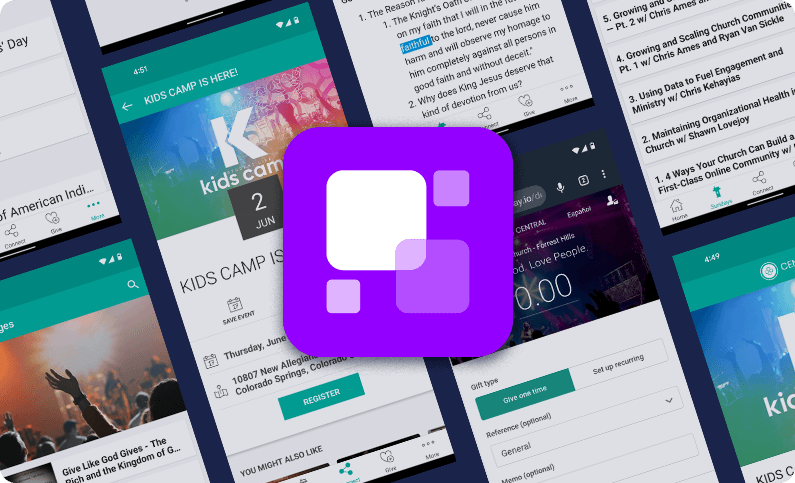

Tour our Apps Product
The mobile extension of your ministry. Only Pushpay offers a leader-only app in multiple languages.
TAKE A TOUR

Lean into local SEO

Most people searching for a church are looking for one nearby. To help them find you:

  • Keep your Google Business Profile updated with service times, location, and photos.
  • Add an embedded map on your contact page for easy directions.
  • Encourage reviews from church members after events or services.

These local signals help your church show up when someone searches in your neighborhood.

Build content that serves both seekers and members

Great SEO means creating valuable content. A church web page should highlight:

  • Service times and location right on the homepage
  • Sermons (live or on-demand with Resi streaming) so people can engage anywhere
  • Ministry and activity pages with clear next steps
  • Events calendar so members and guests can join upcoming opportunities
  • Prayer request forms to let people share their needs securely
  • Online giving that’s fast and trustworthy, powered by Pushpay

This balance of content ensures your web page meets spiritual and practical needs while improving search visibility.

Use structured data

Search engines need help understanding what’s on your site. Adding schema (structured data) can improve how your content appears in search results.

For churches, that could include:

  • Organization schema with your name, address, and service times
  • Event schema for church events and activities
  • FAQ schema to answer visitor questions like “What should I wear to church?”
  • Video schema for sermons streamed with Resi

These enhancements make your web page more likely to stand out in search results with rich details.

Tour our ChMS Product
A seamless, engaging, people-focused product that grows with your congregation.
TAKE A TOUR

Track results and adjust

SEO is an ongoing rhythm, not a one-time project. Use Google Analytics and Search Console to monitor search traffic and queries. Use Pushpay Insights to spot trends in giving, attendance, and serving so you can connect digital engagement to discipleship next steps.

Use simple metrics to evaluate progress:

  • How many people find your church web page organically
  • Which keywords bring in the most site visitors
  • How many visitors click on sermons, prayer requests, or giving forms

This data helps you refine your content so your site remains relevant and welcoming.

The takeaway

Your church web page can be an extension of your mission. With the right SEO practices, you’ll help new people discover your church. And when your web page integrates with Pushpay—whether it’s online giving, Resi streaming, or church management software—you’re not just improving visibility, you’re building a digital presence that supports ministry growth every week.

FAQ

Why does SEO matter for a church web page?
SEO makes it easier for people in your community to find your church when they search online. A well-optimized church website ensures visitors can quickly discover service times, sermons, ministries, events, and opportunities for online giving.

What are the most important things to include on a church web page?
Every church web page should highlight service times, location, sermons, ministries, upcoming church events, online giving, and a prayer request form. These essentials help both new visitors and long-time members find what they need.

How can churches use online giving to improve SEO?
Online giving doesn’t directly boost rankings. Clear navigation and visible next steps keep people engaged and help them complete actions—which is good for visitors and ministry outcomes.

What tools can help track church website SEO performance?
Google Analytics and Google Search Console are free tools that track traffic, rankings, and engagement. Pushpay Insights goes a step further, showing how visitors interact with your ministry, helping leaders connect digital behavior with discipleship.

How often should a church update its website for SEO?
Consistency matters more than volume. A healthy rhythm is weekly updates for sermons, events, and ministry activities. Keeping content fresh signals to search engines—and your community—that your church web page is active and trustworthy.

Tour our Giving Product
A comprehensive solution for secure, cheerful giving & donor development.
TAKE A TOUR
Jonathan Louvis
Jonathan Louvis Jon is the SEO Marketing Manager at Pushpay. Most recently, he worked as the Communications Director for his local church in Ohio. Having worked in the Church, he’s able to bring a unique perspective to his role at Pushpay. When he’s not busy creating content, you can find him spending time with his wife, two sons, and dog, or indulging his love of fantasy football. Jon holds a B.S in Marketing Management and an M.B.A from Western Governors University. View more posts from Jonathan Louvis
Featured Content
Take the next steps for your growing ministry.

Stop managing your people and start inspiring deeper forms of community.

Get Bi-Weekly Updates