Making it look great
How your letter looks matters. A well-designed, easy-to-read church contribution letter grabs attention and shows care, which makes people more likely to take it seriously.
Keep it easy on the eyes
Use your church’s branding: Add your church’s name, logo, stick to your usual colors, and include any familiar design elements. It keeps things feeling connected to the church and makes the letter look professional.
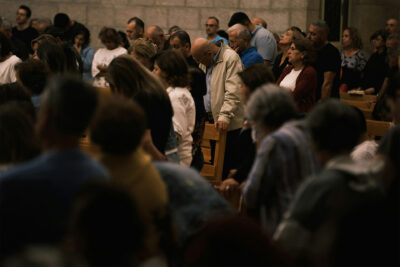
Add photos or graphics: Pictures can really bring your year-end giving statement to life. Include a photo from a recent event or a ministry in action—it makes the impact of your work feel real and personal.
Make it easy to read
The content is important, but if it’s hard to read, people probably won’t even bother.
Choose clear fonts: Stick to simple, readable fonts like Arial or Calibri in a size that’s easy on the eyes (11 or 12-point is good). Give the text some breathing room with proper spacing between lines and paragraphs.
Use headings and bullets: Break up long sections of text with headings, bullet points, or numbered lists. It helps people skim and find the key points quickly.
Don’t overdo it
A long, rambling letter can lose people’s interest, so keep it short and sweet.
Stick to the essentials: Focus on the big things—saying thank you, sharing what’s been accomplished, talking about what’s ahead, and explaining how they can help. Leave out anything that doesn’t really add value to your donor engagement efforts.
Keep it to one or two pages: Using a donation letter template that’s one or two pages hits the sweet spot. It’s enough space to say what you need to without overwhelming the reader.
Why it matters
When your church donation letters look good and are easy to follow, people are more likely to read them all the way through. It shows that your church put thought into it, which makes them more open to your message. At the end of the day, that’s what it’s all about—connecting with your congregation in a way that feels personal and meaningful.
Reviewing and polishing your letter
Once you’ve written your year-end giving letter, don’t hit send just yet. Taking time to review it carefully can make a huge difference. A little extra effort here ensures your message is clear and free of any distracting errors.
Check the tone and clarity
You want your letter to feel genuine and flow naturally.
Read it out loud: Hearing your words can help you catch anything that feels awkward or overly formal. Does it sound like you’re talking directly to someone in your congregation? That’s the goal.
Keep the tone friendly and respectful: Go back through and make sure your language is friendly and easy to understand. Replace any church jargon or complicated terms with plain, relatable words.
Catch the little mistakes
Even a small typo can take away from an otherwise great letter.
Look for grammar and spelling errors: Spell-check tools are helpful, but they’re not perfect. Read the letter carefully to catch things like incorrect words or misplaced punctuation.
Double-check the details: If you’re including numbers, dates, or other facts, make sure everything is accurate. Use your church management software to cross-check donation totals or important campaign deadlines.
Get a second opinion
Sometimes, a fresh perspective can catch things you missed.
Ask someone you trust to review it: Share the letter with another church leader or a trusted member of your congregation. They might notice something that could be improved or point out areas where the tone could be warmer or clearer.
Be open to feedback: If they suggest changes, don’t take it personally. Think about their input and adjust where it makes sense. A little collaboration can make your letter even better.
Why it matters
Taking the time to review and refine your church contribution letter shows care and respect for your congregation. A polished, thoughtful message is more likely to resonate and inspire people to act. It’s about more than just avoiding typos—it’s about making sure your letter feels intentional, personal, and worthy of the generosity you’re asking for.
Staying honest and ethical
When writing your year-end giving letter, it’s important to handle things with care and integrity. Being clear about finances and staying transparent builds trust and keeps your congregation connected for the long haul.
Include tax details
Make sure people have all the information they need for tax-deductible giving.
Be clear about tax benefits: Let them know that their donations are tax-deductible (if applicable) and include any deadlines they should keep in mind.
Share your non-profit info: Provide the church’s official name, non-profit status, and tax ID number. It’s a small detail that shows you’re being transparent and makes giving easier for them.
Be real about your needs
Explain where the money goes: Let people know how their donations will be used—whether it’s for outreach programs, maintaining the church, or supporting a specific ministry. Being upfront about this helps people feel good about their contributions.
Avoid guilt or pressure: Giving should feel like an opportunity, not a chore. Focus on the idea of partnership—working together to accomplish something great—rather than making anyone feel obligated.
When your letter is honest and transparent, it not only encourages giving but also deepens trust and strengthens the relationship between your church and its members.
 Search
  1-844-PUSHPAY