 Search
  1-844-PUSHPAY
 Practical communication methods that grow generosity and engagement
Discover how to build a clear communications strategy, use the right channels, and tell impactful stories.
This might sound familiar to you:
A pastor shared an announcement about a food drive. The details were also in the bulletin, posted on the church’s Facebook page, and tucked into the weekly email. The pastor felt pretty good about his comms efforts.
A week later, a member came up and said, “I wish I had known—I would’ve donated.”
It’s a common frustration. You spend time crafting messages, yet important opportunities for generosity and engagement still slip through the cracks. The truth is, most churches don’t have a communication problem, they have a communication methods problem. Choosing the right mix of channels, strategies, and follow-ups can mean the difference between a missed opportunity and a thriving culture of generosity.
Here are practical ways your church can sharpen communication and inspire deeper engagement.
Start with a clear communications strategy
Every effective effort begins with clarity. Without a strategy, church communication quickly becomes scattered. Different ministries send out their own announcements, staff members repeat themselves across channels, and members feel overwhelmed or out of the loop entirely. They’re unable to discern what information is directly relevant to them, so they end up ignoring communications efforts.
A simple strategy answers three questions:
- Who are we speaking to? Tailor your message to new visitors, longtime members, or specific ministries.
- What do we want them to do? Be clear about whether the goal is giving, volunteering, registering, or praying.
- Where and when should this message appear? Align channels with the message and time it thoughtfully.
A communications calendar helps bring order. By mapping out the rhythm of services, events, and campaigns, your team ensures nothing competes for attention at the same time.
Use multiple communication channels wisely
Your church doesn’t need to be everywhere, but it does need to be intentional. Each channel serves a different purpose:
- Sunday services: The pulpit is powerful, but limit announcements to what truly matters. Too many can blur the message.
- Email: Best for details and follow-up. Segment lists so families receive family ministry updates, while small group leaders see leadership notes.
- Text messaging: Direct, quick, and effective for reminders, urgent needs, or giving prompts.
- Church app: A hub for prayer requests, giving, sermons, and event registration. When people know the app has “everything in one place,” engagement rises.
- Social media: Great for celebrating wins, sharing stories, and reaching beyond your walls.
Think of these channels as a toolbox. Each has its place, but none can carry the load alone.
Share stories that inspire action
Generosity feels abstract until people see the real-world difference it makes.
Instead of simply reminding your congregation to give, paint a picture of the impact. A short video testimony from a family whose kids attended youth camp through scholarship donations carries far more weight than a general announcement.
A photo of smiling volunteers handing out groceries at your food pantry, captioned with the words, “Your gifts fed 300 families this week,” invites people to connect their giving to transformed lives. And when you highlight not only special projects but also the everyday ministries sustained by tithes and offerings, you remind people that their faithfulness fuels God’s work week after week. Stories like these connect hearts to mission. They show that giving isn’t just about numbers; it’s about people, and that kind of connection inspires generosity to grow.
Use clear, compelling calls-to-action
A lot of churches assume people know what to do—but vague invitations often keep them from taking the next step. Think about the difference between a broad appeal like “Support our youth ministry” versus a specific request: “Help send 20 students to camp by giving today.” One feels distant, while the other feels urgent and personal.
The same goes for serving. Instead of “Get involved,” imagine saying, “Join our hospitality team this Sunday and greet new families at the door.” Clear, compelling calls-to-action cut through the noise and give people confidence about how to participate. When you’re direct and specific, your asks lead to measurable results.
Build feedback loops and two-way communication
Polls and surveys can help you understand what times work best for events or which sermon topics are most relevant to your community. Even a simple prompt like, “What’s one way we can serve you better this month?” opens the door for meaningful dialogue.
And here’s the key: when leaders respond to that feedback, by acknowledging it, sharing what was learned, and making small changes, trust grows. Members who feel heard become members who stay engaged. Communication becomes less about broadcasting and more about building relationship.

Use data and insights to improve over time
Even the best strategies need refining. That’s where analytics come in.
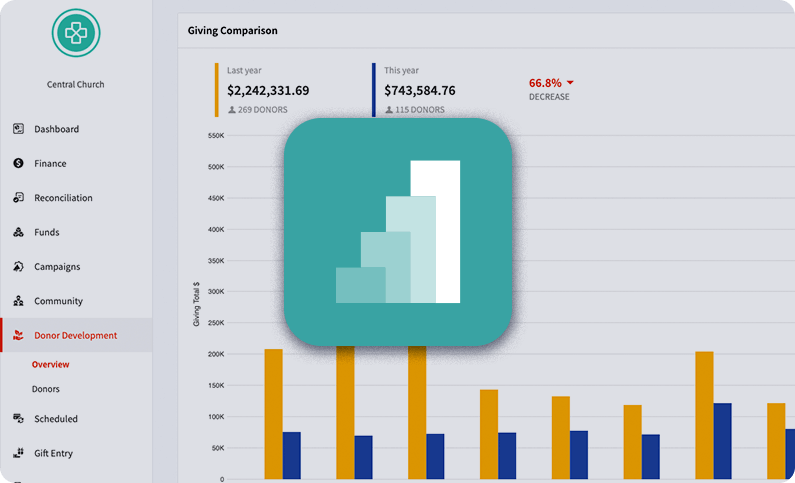
Tools like Pushpay Insights bring giving and engagement data into one view. You can see which emails were opened, which events drew registrations, and whether digital giving is growing. Even more valuable—you can identify disengaged congregants and reach out before they drift away.
Data doesn’t replace prayer and discernment, but it equips your team to make wiser, more informed decisions.
Bringing it all together
Back to that example of a church member who missed the food drive: Imagine if they had received a reminder text on Thursday, a push notification from your church app on Friday, and a clear call-to-action during Sunday service. Chances are, they would’ve been one of the first in line to give.
That’s the power of practical communication. It’s not about saying more—it’s about saying the right things, in the right places, at the right time.
When your church sharpens its communication methods, you won’t just see fuller events or stronger giving reports. You’ll see members who feel connected, heard, and inspired to live generously.
And with the right tools—like ChurchStaq’s integrated communication features—those methods become even simpler to put into practice.
Frequently Asked Questions
What is church communication and why is it important?
Church communication is how a congregation shares information, stories, and vision with its members and community. It includes everything from Sunday announcements and bulletins to email, social media, and a church app. When done well, communication strengthens engagement, builds trust, and connects people to the church’s mission.
How can a church create an effective communications strategy?
An effective communications strategy begins with clarity. Ask three key questions:
- Who are we speaking to (visitors, church members, or ministry teams)?
- What do we want them to do (give, volunteer, attend, or pray)?
- Where and when should this message appear (pulpit, email, app, or social media)?
A communications strategy helps church leaders avoid scattered announcements, reduce noise, and ensure every message supports the church’s mission.
What are the best communication methods for churches today?
Churches grow when they use multiple communication channels wisely. For example:
- Sunday services for high-impact announcements.
- Email and text messages for details and reminders.
- Church apps for prayer requests, giving, and registrations.
- Social media for storytelling and celebrating ministry wins.
Each channel plays a role, but a church communications strategy helps align them for maximum effectiveness.
How do communication teams and directors support church growth?
A communications director or church communication team helps organize messaging so it’s clear, consistent, and timely. They manage communication channels, coordinate with church leaders, and make sure every ministry speaks with one voice. This teamwork builds stronger engagement and prevents missed opportunities.
What role does storytelling play in church communication?
Stories connect generosity to real people. Instead of simply asking for donations, churches can highlight testimonies, community impact, or answered prayer requests. Stories of changed lives remind congregants that giving and serving aren’t about numbers—they’re about people, and that inspires generosity to grow.
How can churches improve internal communication among staff and leaders?
Internal communication ensures pastors, staff, and ministry leaders are aligned before messages reach the congregation. Tools like a communications calendar, church management software, and clear communication guidelines help keep everyone on the same page. When leaders communicate well internally, external communication becomes far more effective.
Why should a church invest in digital communication tools?
Digital communication—through email, apps, and online platforms—meets people where they are. A church app can centralize giving, events, sermons, and prayer requests. Church management software can track engagement and help leaders follow up with congregants. Together, these tools make communication more personal, accessible, and effective.
How does effective communication impact generosity and engagement?
When churches clearly share their mission and show the impact of giving, members feel inspired to participate. A united communications strategy ensures generosity is tied to vision, engagement grows, and the congregation feels connected. Simply put, effective church communication helps discipleship, giving, and community flourish.