 Search
  1-844-PUSHPAY
 The complete year-end fundraising guide for churches
This complete year-end fundraising guide covers campaign planning, storytelling, donor engagement, and easy ways to increase generosity
In the final weeks of the year, generosity peaks. Donors look for ways to support ministries they care about, and your ministry has a rare opportunity to grow both giving and connection.
This guide walks your team through the entire year-end fundraising season, from Giving Tuesday through December 31, with strategies, tools, and messages you can start using today.
Why December still moves the needle
There’s a reason charitable giving surges at the end of the year. Between the holidays, the spirit of generosity, and the December 31 tax deadline, nearly one-third of all annual donations arrive in just a few short weeks.
For churches, that’s both a responsibility and an opportunity. A clear year-end fundraising goal, supported by strong communication and easy giving tools, can help your ministry finish the year strong and fund what’s next.
Start by grounding your fundraising goal in ministry terms. “Raise $75,000 for our new community outreach center” is far more compelling than “Close our annual gap.” Define what those dollars make possible, then share progress each week so your congregation can celebrate the journey.
Your audit before the appeal
Before you start crafting year-end emails or building a campaign page, take an honest look at your giving data.
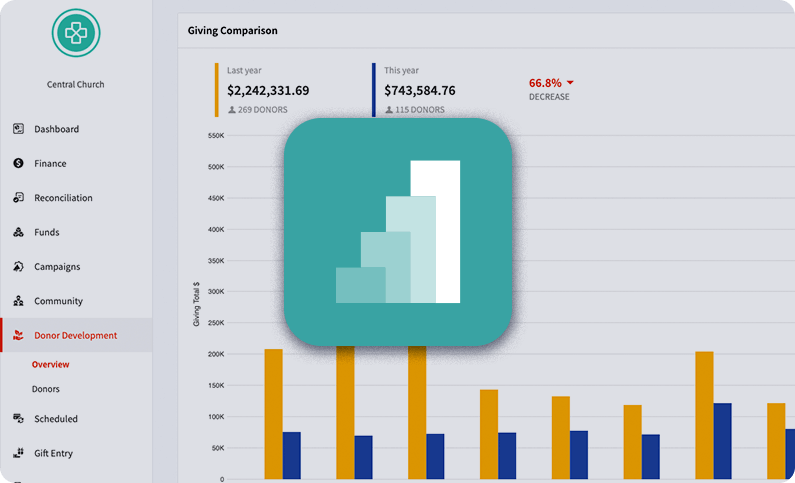
Review revenue and trends: Identify new donors, lapsed givers, and recurring donor retention. Tools like Pushpay Insights give you visibility into giving patterns and engagement so you can focus energy where it matters most.
Tighten your funds: Confirm designations for your general fund, missions, benevolence, or year-end appeal. Make sure each is visible and easy to select on your giving page.
Check statement readiness: Ensure your finance team is prepared to generate IRS-compliant giving statements by January 31. That means clean donor data, accurate fund designations, and receipts that are clear and branded.

A simple blueprint from GivingTuesday to December 31
Think of your year-end campaign as a 30-day story. One with a rhythm of inspiration, updates, and urgency.
- Before Thanksgiving: Announce your goal and what the funds will support.
- GivingTuesday: Launch with a story of impact, photos, and a clear call to give.
- Mid-December: Share an update, introduce a matching gift, and remind people of progress.
- Final week: Use the phrase “Give before December 31” consistently to reinforce the deadline.
Tailor your messages by audience. Potential donors might respond to community impact stories. Recurring donors appreciate seeing long-term results. Lapsed givers often need a personal note or thank-you for past generosity to reconnect.
Make giving effortless everywhere
When giving is simple, participation rises. Every path to donate should take less than a minute to complete.
Friction-free channels: Website, mobile app, text giving, QR codes, and in-service kiosks. Each should highlight your year-end campaign.
Modern payment options: Offer cards, ACH, Apple Pay, stock, and even crypto. Many donors finalize their year-end gifts from donor-advised funds; make that easy to see on your giving page.
Smart defaults: Suggest gift amounts tied to tangible outcomes (“$100 provides meals for 10 families”) and include a recurring option for anyone ready to commit monthly.
Messages that move people to action
Stories move hearts. Specifics move gifts. Your communications should do both.
The three-email arc:
- Launch story: Share the vision and fundraising goal with a story of impact.
- Mid-month update: Highlight a match opportunity or progress milestone.
- Final reminder: Encourage people to give before December 31 with gratitude and urgency.
Recurring generosity that lasts beyond December
Year-end giving is powerful, but recurring gifts sustain your ministry all year.
Encourage donors to make their gift monthly right after they give. Add a “make it monthly” button on confirmation pages, or send a thank-you email that includes the option.
Recurring donors create predictable revenue, reduce fundraising pressure, and often become your most engaged supporters. Protect that generosity by enabling automatic card updates and failed-payment recovery features so recurring gifts continue seamlessly.
Volunteers, events, and momentum
Equip leaders with talking points they can share during services, in small groups, and on social media. Provide QR codes, short links, and language they can use to invite others to give.
Leverage events like Christmas services, outreach days, and baptisms to connect generosity with real moments of hope. A short, heartfelt reminder about your year-end campaign can turn inspiration into immediate action.

Pledges, grants, and corporate matching
Donors often give more when the gift is structured.
Pledges: Allow donors to commit a total amount and fulfill it over time. Visible progress bars and regular updates help keep pledges active.
Grants: Research local or community foundations that accept year-end applications. Assign one team member to submit or track those opportunities.
Corporate matches: Encourage members to check if their employer offers a match. Include a quick explainer on your giving page: “Double your impact: See if your company matches gifts.”
Real-time metrics during the giving season
Visibility builds confidence.
Use your giving dashboard to track total revenue, average donation amount, new donors, recurring sign-ups, and match utilization.
Meet briefly after each Sunday service to celebrate wins and identify gaps. If engagement slows, adjust your subject lines or feature a new story that connects emotionally.
The more you track in real time, the more agile and effective your team becomes.
Gratitude that grows donor relationships
Generosity deserves acknowledgment that feels personal.
Immediate thanks: Automated receipts should still sound human. Include a brief note about how gifts make ministry possible.
Seven-day follow-up: Send a short update with early campaign results and an invitation to pray for what’s ahead.
January wrap: Celebrate your community publicly, share total funds raised, and explain how the resources will be used. Then remind donors when to expect their year-end giving statements.
Every thank-you plants a seed for next year’s generosity.
FAQ
Why is end of year giving such an important opportunity for churches?
The end of year giving season is when generosity peaks. Nearly one-third of all annual giving happens between GivingTuesday and December 31st. For churches and nonprofits, this window is unmatched for connecting with year end donors, strengthening relationships, and funding next year’s ministry. With the right year end strategy, your church can finish the calendar year strong and begin the next one with momentum.
When should we start planning our year end fundraising campaign?
Start planning your year end giving campaign early—by late October or early November. This gives your team time to set a clear year end goal, build compelling fundraising pages, and prepare your GivingTuesday campaign launch. Churches that plan ahead see greater year end fundraising success, because they can tell their story throughout the holiday season, not just at the last minute.
What makes a year end giving campaign effective?
A strong year end campaign connects vision with impact. Rather than saying “help us meet our budget,” describe what your year end donations make possible—like funding a new outreach center or expanding youth programs. Combine inspiring stories with tangible outcomes, and communicate progress along the way. A focused year end appeal with updates, visuals, and gratitude builds trust and engagement.
How can we make it easier for potential donors to give?
Simplify every step of the giving experience. Make sure your fundraising pages are mobile-friendly, clear, and quick to complete. Offer multiple ways to give—online, via text, in your mobile app, or through QR codes at events. Accept modern payment options like cards, ACH, Apple Pay, and even stock or crypto. The easier you make year end giving, the more potential donors will participate.
How can we connect with different types of year end donors?
Different donors respond to different messages.
- New donors: Use stories that show impact and invite them into your mission.
- Recurring donors: Emphasize long-term results and community growth.
- Lapsed givers: Reconnect through gratitude—thank them for past generosity before inviting them to give again.
Personalized communication helps every year end donor feel seen and valued.
What role does GivingTuesday play in year end fundraising?
GivingTuesday is the unofficial kickoff of the year end fundraising campaign. It’s the perfect moment to share your vision, invite generosity, and create energy that carries through the holiday season. Churches often launch a GivingTuesday campaign with a story of impact and a clear call to action—then build on that excitement with follow-up updates in December.
How can we keep our fundraising efforts organized during the year end giving season?
Use digital tools that track your fundraising efforts in real time. Platforms like Pushpay let you monitor donations, recurring gifts, and engagement across all channels. You can see how your year end giving goals are progressing, identify potential donors, and send automated thank-you messages that strengthen relationships throughout your year end campaign.
How can volunteers support our year end fundraising campaign?
Volunteers can be your best storytellers. Equip them with short talking points, QR codes, and links to your fundraising pages so they can easily invite others to participate. During Christmas services or outreach events, volunteers can share quick reminders about your year end appeal and encourage last-minute gifts before December 31st.
What’s the best way to thank donors after year end giving?
Every gift deserves recognition. Send a personal thank-you within 24 hours and a follow-up message a week later to share early results. After the calendar year closes, celebrate your year end giving success publicly—share total funds raised and explain how those resources will be used. Gratitude is the key to turning year end donors into long-term supporters.
How can we encourage recurring generosity after the year end giving season ends?
Use your post-campaign communications to invite people into ongoing generosity. Add a “make it monthly” option on your giving confirmation page or in follow-up emails. Recurring givers help your ministry create stable annual giving revenue and reduce the stress of meeting each year end goal. Tools like Pushpay automate recurring gifts, track engagement, and simplify donor management.
When do donors receive giving statements for tax purposes?
Churches and nonprofits should send annual giving statements by January 31. Pushpay makes this simple by generating IRS-compliant contribution statements automatically. Donors can access their giving history online or through your church app anytime—helping them prepare for tax season while reinforcing transparency and trust.
What’s the most important thing to remember about year end fundraising?
Your year end fundraising campaign isn’t just about hitting a number—it’s about deepening connection and cultivating a culture of generosity that lasts beyond December 31st. When you combine a clear year end giving strategy with gratitude and easy giving tools, you create lasting impact for both your ministry and your community.