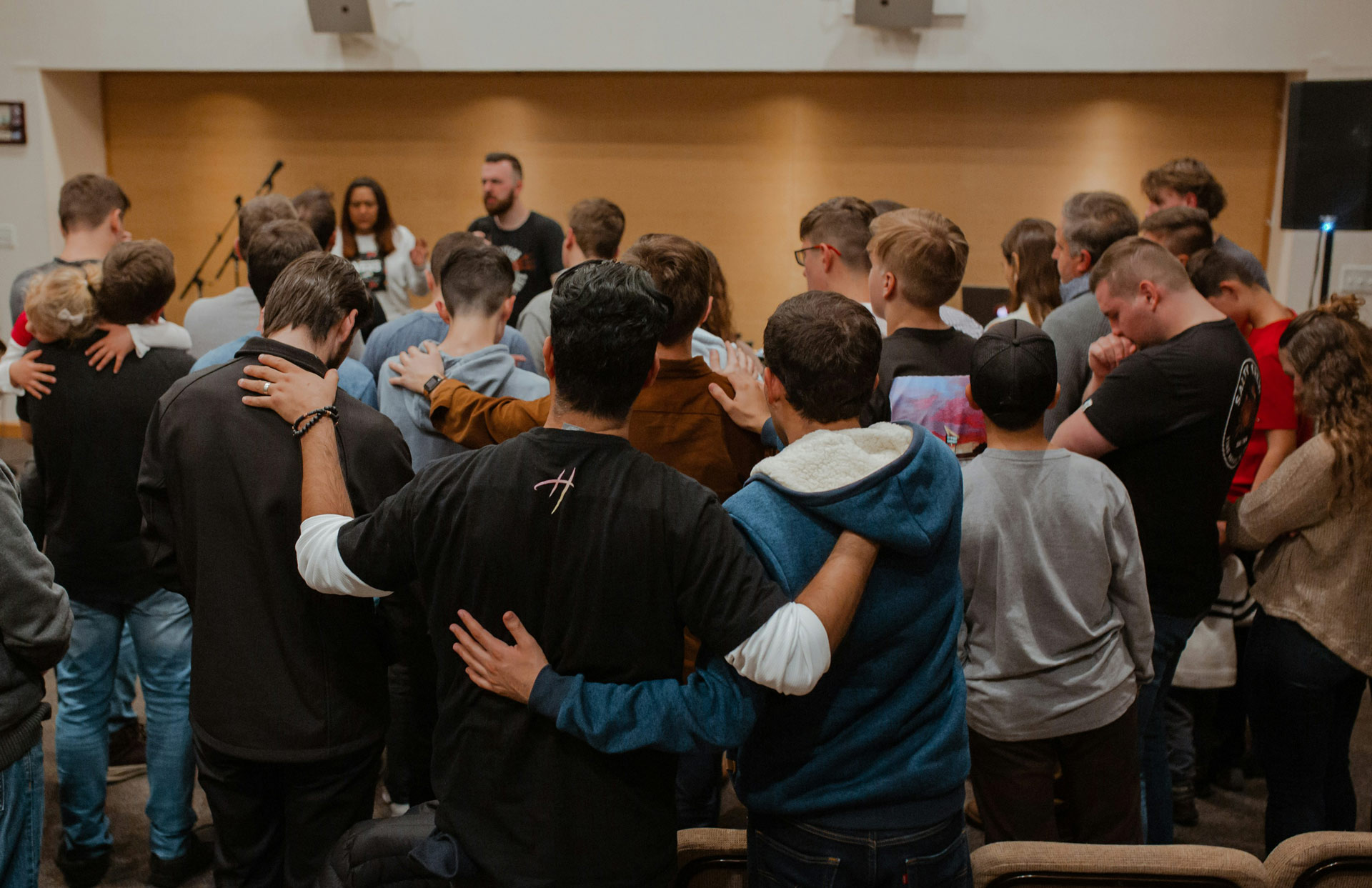
How to grow church membership with outreach, follow-up, and connection

Learn how to grow church membership through outreach, intentional follow-up, and authentic connection to help new members.
Jonathan Louvis
Jonathan Louvis July 8, 2025 · 7 min read

If you’ve ever sat in a half-empty sanctuary and prayed for God to fill the seats, you’re not alone.

Most church leaders wrestle with the same questions:
How do we grow? How do we reach more people? How do we help them stick?

But at the core, church growth isn’t simply about attendance. It’s about helping people meet Jesus Christ and step into a healthy church family that will walk with them as they grow in faith.

When we talk about how to grow church membership, we’re really talking about things like community, belonging, connection, and discipleship.

Let’s walk through three practical ways to grow membership: outreach, follow-up, and connection.

Start with intentional outreach to your local community

People won’t visit your church if they don’t know you exist—or if they don’t know you care.

That’s where community outreach matters. Not because it boosts numbers, but because it brings the church into places Jesus would be.

Start by asking: What are the real needs in our town? Where are the opportunities to serve? What would it look like if our church showed up there?

It could be something as simple as a free family movie night, a prayer tent at a local festival, or hosting a school supply drive. These events invite the community to experience the love of Christ through your congregation.

The Holy Spirit often works through a simple, faithful invite.

And don’t underestimate the power of personal connection. Encouraging your current members to invite friends, neighbors, and coworkers is still one of the most effective ways to grow your church.

Outreach opens the door. But what happens next matters just as much.

Build a follow-up system that doesn’t let people fall through the cracks

When someone visits your church, what happens next?

If you’re not sure, that’s a problem.

Too often, potential members come through the doors once, maybe twice, and then disappear because no one followed up. No one reached out. No one helped them take the next step toward real connection.

Follow-up doesn’t have to be fancy, but it does have to be intentional.

You need a system that makes sure every new guest is known, followed up with, and cared for. That might look like:

  • A digital connect card or welcome form
  • A text or call that week from a pastor or volunteer
  • A personal invitation to coffee to hear about their experience at your church

When people feel seen, they’re far more likely to return—and eventually become part of your church membership.

Focus on connection that turns visitors into family

Growing a church means building community.

That means creating clear, simple ways for people to move from “attender” to “belonging.”

A few things that help:

  • Membership classes that explain what your church believes and how new members can get involved.
  • Small groups or Bible studies where people can build real relationships.
  • Volunteer opportunities that allow people to serve and be needed.
  • Discipleship environments that help people grow in spiritual maturity.

Connection is what helps people feel like this is their church, not just a place they visit. And that connection grows when people feel safe to ask questions, to serve, to be known.

When the worship experience feels authentic, when the community feels like family, and when people are invited into deeper faith, not just attendance, you don’t just build a bigger church. You build a stronger one.

Equip your team and your congregation for long-term growth

Church leaders can’t grow the church alone. That’s never been the design.

Growth happens when pastors, staff, and volunteers work together to create a culture that invites people in and walks with them as they grow.

It starts with church leadership that equips the congregation to own the mission. Whether you’re leading a small church or a large one, it’s the culture, not the size, that fuels sustainable growth.

Make sure your church activity calendar includes space for both outreach and rest. That your church management tools help you track attendance and follow-up without becoming impersonal. And that your pastor and leadership team are modeling connection, not just calling for it.

A growing church is led by growing people.

Conclusion

If you’ve been discouraged by slow Sundays or inconsistent attendance, take heart.

Church growth doesn’t happen overnight. But when you plant seeds through outreach, nurture them through follow-up, and cultivate connection, the fruit will come, in God’s time and in His way.

Every new face is more than a number. It’s a soul. A story. A person Jesus loves.

And if your church can become a place where they are seen, known, and loved, then you’re not just growing in size. You’re growing in strength. And that kind of church, rooted in love, led by the Spirit, is the kind of church the world needs right now.

DISCLAIMER: this content has been generated, at least in part, by artificial intelligence.

Jonathan Louvis
Jonathan Louvis Jon is the SEO Marketing Manager at Pushpay. Most recently, he worked as the Communications Director for his local church in Ohio. Having worked in the Church, he’s able to bring a unique perspective to his role at Pushpay. When he’s not busy creating content, you can find him spending time with his wife, two sons, and dog, or indulging his love of fantasy football. Jon holds a B.S in Marketing Management and an M.B.A from Western Governors University. View more posts from Jonathan Louvis
Featured Content
Take the next steps for your growing ministry.

Stop managing your people and start inspiring deeper forms of community.

Get Bi-Weekly Updates